
Client Login
Gain access to:- Your contractual information
- Your build progress
- Your construction photos
- Message tracking

Building a new home can be a complex process, and there are many ways buyers can get caught out. Knowing the most common mistakes when building a new home before you start can save you money, time and stress. Here are 13 important lessons we’ve seen across the Gold Coast and Brisbane, grouped into pricing, planning and budget, with a quick checklist at the end.
Many mistakes when building a new home start with the price you sign. These five are the ones we see most often.
Site works costs are estimated before you sign your contract, and are usually listed as a provisional sum. If that allowance is set too low to make the overall price look attractive, the real cost only shows up once the site is properly quoted, and the difference can run into thousands. Always ask for a detailed breakdown of the site works provisional sum, ask what it’s based on (a soil test and contour survey, or a guess?) and get a second opinion if you have any doubts.
Floor plan dimensions and areas can be calculated in different ways. Room sizes can be measured from the middle or the edge of a wall, and total areas may or may not include garages, alfrescos or the space under the eaves. That makes fair comparison between designs difficult, so check exactly how each builder measures before you compare square metres.
A package price may not include items you’d expect in a finished home, such as floor coverings, window treatments, a clothesline, letterbox, driveway or landscaping. Ask for a full list of inclusions and make sure everything you need to move in is on it.
Quotes from different builders vary in specifications, materials, construction methods and roof framing, so the lowest number isn’t always the best value. Compare like for like where you can, then pick a design you like within your budget that ticks as many boxes as possible. Our On the House Inclusions list exactly what’s standard, so comparisons are easier.
Advertised and “from” prices often exclude site costs, upgraded finishes, air-conditioning, higher ceilings and approval fees. Read the specification sheet closely and don’t be shy about asking for a total price for your block.
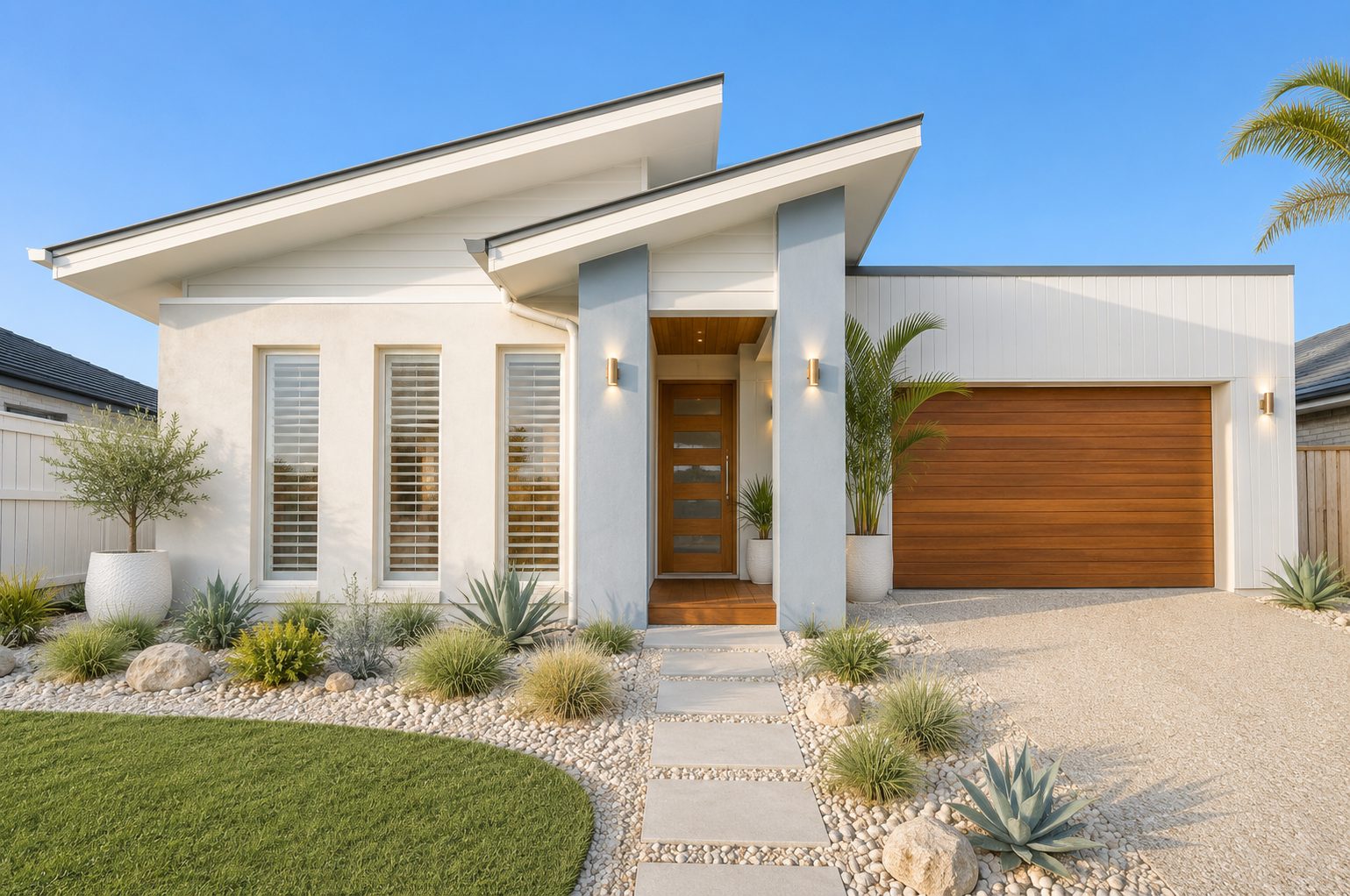
These are the mistakes when building a new home that tend to cost time as well as money.
A short timeframe sounds good in a sales meeting, but it only means something if the builder can deliver it. Ask how long similar homes have actually taken, how many projects your site supervisor will be running at once, and ask to speak with recent clients.
Location shapes how your home performs over time, whether you live in it or rent it out. CoreLogic is a good, independent source of information. Look at growth, median rents and rental yields in the suburbs you’re considering, and check flood and other overlays before you buy.
Changing a design after drawings and approvals are underway costs time and money in redrafting, resubmitting and construction. The best way to keep costs down is to settle your design early. A Built To Requirement™ home is designed around your needs from the start for exactly this reason.
In some new land estates, developers include items such as landscaping, fencing or rebates on the lot. It pays to research the estates in your area and find out what’s on offer, and when it expires, before you commit.
The good news is that budget mistakes when building a new home are often the easiest to avoid, because they’re within your control.
People shop around for the right builder but often don’t do the same for their lender. Rates, fees and construction loan terms vary, so speak to your bank and a couple of mortgage brokers to understand the options available to you.
It’s easy to get carried away with upgrades. Spend where it matters most: on things that add value, make the home more durable, or that you’ll use every day. Cosmetic items can usually be updated later.
If the home is an investment, think like an investor. Keep upgrades to those that add value or increase rental return, and choose finishes that are durable and easy to maintain.
You may be able to save by organising some items yourself after handover, such as painting, landscaping, flooring or blinds. Keep in mind this usually means your home takes longer to be ready to live in, so factor that time into your plans.
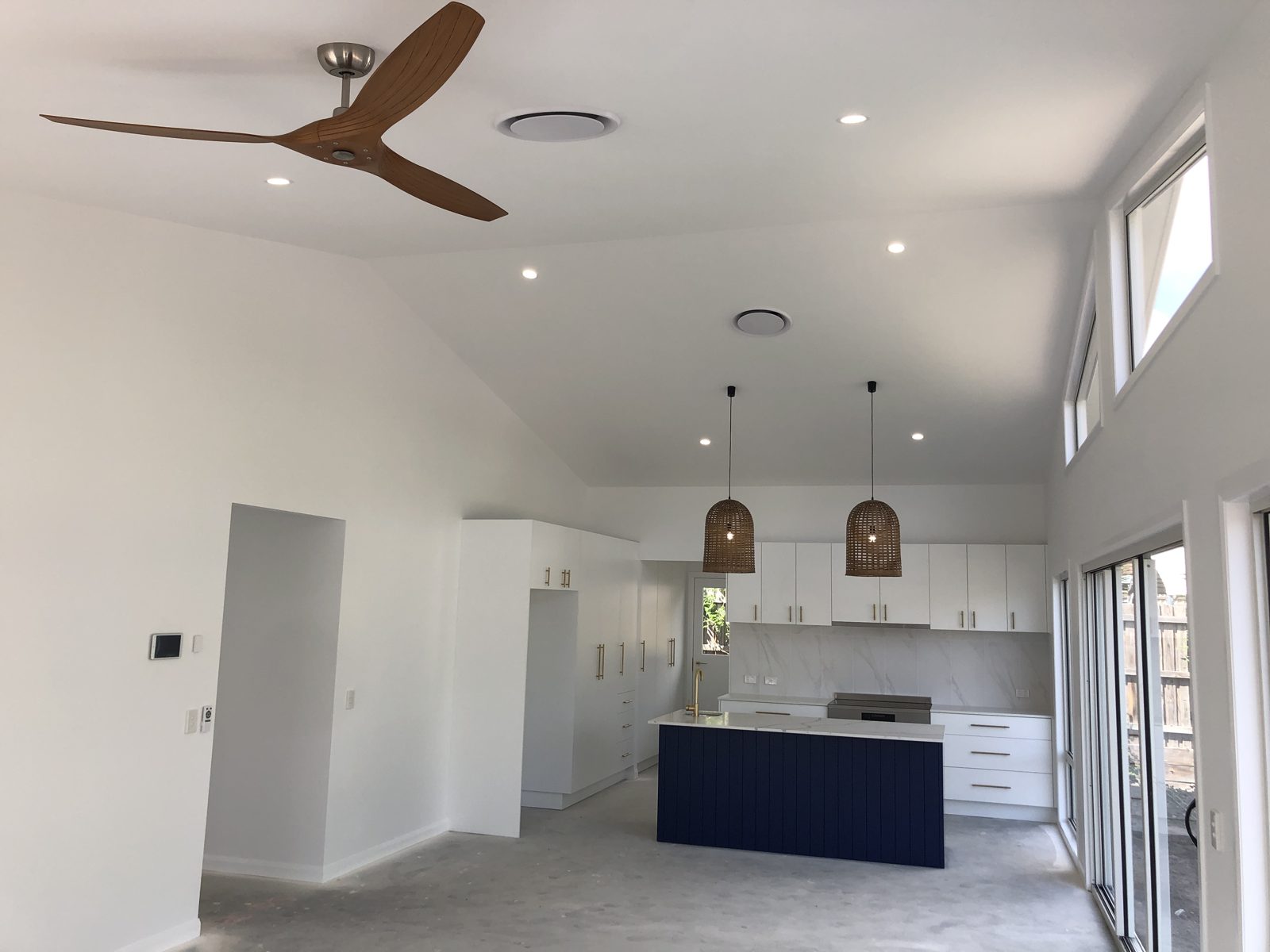
Run through this list to avoid the most common mistakes when building a new home:
In our experience, it’s underestimating site costs. Slope, soil, retaining, drainage and access can add significantly to a build, and they’re easy to miss if the site hasn’t been properly assessed. If your block slopes, our guide to building on a sloping block explains what to look for.
Get the full picture early. Know your site, your inclusions and your realistic total cost before you sign anything, and settle your design before it goes to approval. Our guide to the stages of building a house shows where each decision fits.
Many of the most costly mistakes when building a new home come from not understanding the full cost and site requirements early. Our complimentary Core Feasibility Assessment reviews your block, plans or ideas and inclusions, then gives you an estimated investment range and next steps before you commit.
PO Box 853
Oxenford Queensland, 4210
Tel: 0404981647
Building Licence: 1118245




© 2026 Bluewood Homes Gold Coast.


